TraCe-bMPS
The Translational Center for Barrier Microphysiological Systems (TraCe-bMPS) is a consortium of industry and academia developing and applying chip-based models of human tissue for both discovery and regulatory drug development. We use technologies and platforms that facilitate interactions between cells and molecules in adjacent tissue compartments, and enable in situ measurements of tissue phenotypes. Resource sharing and collaboration are a central part of the Center’s mission. So if you see an opportunity to collaborate, please inquire.
Models
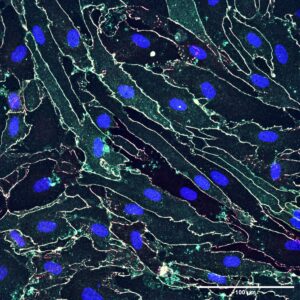
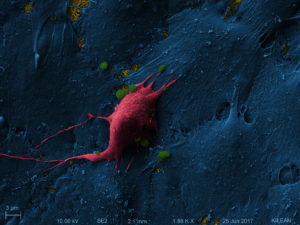
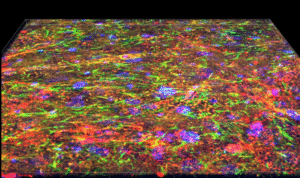
TraCe-bMPS teams are building a variety of human tissue models on our device platforms. Notable examples include tendon fibrosis and a blood brain barrier model of encephalopathy. Common to these efforts is the need to simulate the exchange of cells and molecules across the barriers that compartmentalize human tissue. The models provide reliable measurements of physiological responses that reveal human disease mechanisms and help identify new treatments.
Technologies
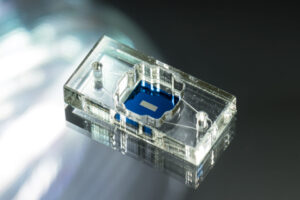
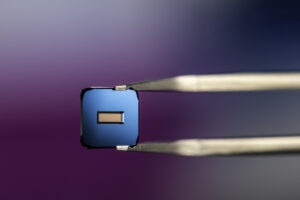
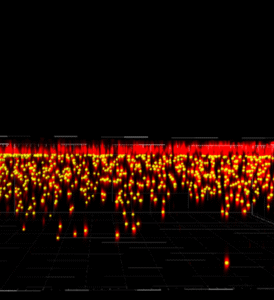
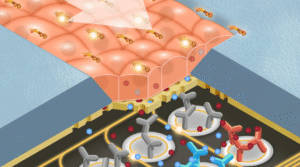
Our models are built with unique technologies and modular architectures that bring barriers into focus while enabling custom designs and flexible workflows. Ultrathin silicon membranes provide an optically clear and highly permeable interface between tissue compartments. Light microscopy and on-board sensors deliver real-time information from living chips. External modules enable microfluidics, linked tissues, and even more measurements.
Community
We encourage the adoption of our tissue modeling platforms and the development of novel models featuring our core technologies. We provide support through open-access protocols, communication platforms, a training program at the University of Rochester, and external workshops. Materials and services are available through our resource core, academic laboratories, and commercial partners. To access these resources, request an affiliation with TraCe-bMPS.